Good Standing
Academic Probation
Academic Ineligibility
Ineligibility Pending
Frequently Asked Questions
ONLINE STUDENT SUCCESS SEMINAR
Academic Advising Appointments
University Resources
Summer School
Carolina Courses Online
Bounce Back

Academic Enhancement Tools & Exercises:

Time Management Worksheet
Study Skills Inventory
GPA Calculator
Writing Skills Worksheets
Writing Center Online Tutor
Undecided? Explore


It Takes a University:
Retention Efforts Across Campus


The University of North Carolina at Chapel Hill is committed to helping each student reach his or her full academic potential. Students are encouraged to give thoughtful consideration to their academic and personal goals leading them to take responsibility for their academic choices and decisions.

The resources here are designed for undergraduate students:

• to understand their academic standing
• to enhance their academic experience
• to promote student success
• to guide them toward graduation.


IMPORTANT NOTE: All students on Academic Probation are strongly encouraged to attend Summer School at UNC-Chapel Hill.

You should make an appointment with your academic advisor as soon as possible to discuss registration and to design a plan of action to return to Good Standing, preferably before the fall semester begins.

If you do not improve your academic standing over the summer, it will be necessary during the fall semester to follow the steps below.

_______________________________________________________

You must complete the following steps and you should consider participating in the Bounce Back program:

  1. Complete the Self-Assessment.
  2. Complete the online Student Success Seminar.
  3. Sign the Probation Contract at the end of the seminar.
  4. Make an appointment with your advisor.
    Bring the completed Self-Assessment and the signed Probation Contract to the meeting with your advisor.

Frequently Asked Questions

Q: What is Academic Probation?
Q: What do I do if I am on Academic Probation?
Q: What is Academic Ineligibility?
Q: What do I do if I am academically ineligible?
Q: What is Ineligibility Pending?
Q: What do I do if I have Ineligibility Pending?
Q: Does everyone get a semester of probation?
Q: What happens if I do not qualify for a semester of probation?
Q: How long is probation?
Q: I am academically ineligible. Can I request a semester of probation?

Q. Where can I go…
to improve my writing skills?
to improve my study skills?
to discuss General Education Requirements?
to talk about personal issues?
to learn about services for LD/ADHD?
for academic support for student athletes?
for international student services?
to discuss my financial aid?
for minority and/or first generation college student resources?

A: What is Academic Probation?

First year students entering the University on or after May 14, 2007 are required to meet certain eligibility standards (remain in Good Standing), which define the minimally acceptable levels of performance.

Students who fall short of the standards for Good Standing, but have passed at least nine credit hours of graded coursework (excluding BE or PL credits) in the preceding semester and who were not already on probation, will be on academic probation for one semester with the objective of meeting those standards.

The requirements to remain in Good Standing at the university include:

A.                  A 2.000 cumulative UNC-Chapel Hill grade-point average

B.      The following number of academic semester credit hours passed:

  • 9 academic hours to enter a second semester
  • 24 academic hours to enter a third semester (30 hours is recommended)
  • 36 academic hours to enter a fourth semester
  • 51 academic hours to enter a fifth semester (60 hours is recommended)
  • 63 academic hours to enter a sixth semester
  • 78 academic hours to enter a seventh semester (90 hours is recommended)
  • 93 academic hours to enter an eighth semester
  • Special permission of the dean to enter a ninth semester

A: What do I do if I am on Academic Probation?

IMPORTANT NOTE: All students on Academic Probation are strongly encouraged to attend Summer School at UNC-Chapel Hill.

You should make an appointment with your academic advisor as soon as possible to discuss registration and to design a plan of action to return to Good Standing, preferably before the fall semester begins.

If you do not improve your academic standing over the summer, it will be necessary during the fall semester to follow the steps below.

_______________________________________________________

The first thing a student on academic probation should do is make a commitment to return to good academic standing. You must complete the following steps and you should consider participating in the Bounce Back program:

  1. Complete the Self-Assessment.
  2. Complete the online Student Success Seminar.
  3. Sign the Probation Contract at the end of the seminar.
  4. Make an appointment with your advisor. Bring the completed Self-Assessment and the signed Probation Contract to the meeting with your advisor.

A: What is Academic Ineligibility?

Students who do not qualify for probation or who do not meet cumulative eligibility standards after a probationary term are academically ineligible and may not enroll in a spring or fall term.

A: What do I do if I am academically ineligible?

Raising your Grade-Point Average

If your academic ineligibility is due to an insufficient grade-point average then you must raise your GPA by enrolling in additional UNC-Chapel Hill courses to restore your eligibility. You may:

• attend UNC-Chapel Hill Summer School
• enroll in and complete appropriate Carolina Courses Online
• enroll in and complete appropriate UNC-Chapel Hill Self-paced Courses

Raising Your Cumulative Hours Passed

If your GPA is satisfactory and your ineligibility is due only to an insufficient number of academic credit hours passed (and you are not a transfer student deficient in academic credits earned at UNC-Chapel Hill), you may pursue the options noted above or you may transfer credits from another college, subject to their approval by the UNC-Chapel Hill Office of Undergraduate Admissions and your advisor in the Academic Advising Programs.

To pursue this option, submit a Course Approval Form to Undergraduate Admissions to verify whether the courses you wish to take at another college will transfer to UNC-Chapel Hill. Then, present the form to your advisor to confirm that the UNC-Chapel Hill credit you would receive is acceptable for your course of study. You must request that the registrar of the other college send an official sealed transcript to:

UNC–Chapel Hill Office of Undergraduate Admissions
CB # 2200
Jackson Hall
Chapel Hill, NC 27599-2200

in order for Admissions to award you transfer credit for the course; credit hours will be awarded only for courses in which you earn a grade of "C minus " or higher. To avoid cancellation of your registration, your transcript from the other school must be received in time for the credits restoring your eligibility to be posted to your UNC-Chapel Hill transcript. If transfer credits that clear your eligibility are posted after your registration is cancelled but before the fall semester begins, you may re-register for available fall courses.

Resolving Temporary Grades

Some students may improve their current standing by converting an AB or IN grade from the previous term to a passing grade. Students to whom this applies must qualify for an exam excuse issued by the Campus Health Service or by one of the deans in the Academic Advising Programs in the College of Arts & Sciences and the General College before an AB grade could be changed with a make-up final exam. To avoid cancellation of your registration, it would also be necessary for the final exam and/or completion of other coursework to be done early enough for the instructor to assess your performance and to report a grade change; however, instructors are not under any obligation to schedule an exam or to grade additional work on short notice if you have not already made such an agreement. If a change of grade restores your eligibility after your registration is cancelled but before the fall semester begins, you may re-register for available fall courses.

A: What is Ineligibility Pending?

Students who do not meet cumulative eligibility standards after the spring semester will be ineligibility pending. These students have the opportunity to restore their eligibility over the summer. If eligibility is not restored over the summer, the student will be academically ineligible for the fall semester.

A: What do I do if I have Ineligibility Pending?

Raising your Grade-Point Average

If your academic standing is Ineligibility Pending due to an insufficient grade-point average then you must raise your GPA by enrolling in additional UNC-Chapel Hill courses to restore your eligibility. You may:

• attend UNC-Chapel Hill Summer School
• enroll in and complete appropriate Carolina Courses Online

Raising Your Cumulative Hours Passed

If your GPA is satisfactory and your academic standing is Ineligibility Pending due only to an insufficient number of academic credit hours passed (and you are not a transfer student deficient in academic credits earned at UNC-Chapel Hill), you may pursue the options noted above or you may transfer credits from another college, subject to their approval by the UNC-Chapel Hill Office of Undergraduate Admissions and your advisor in the Academic Advising Programs.

To pursue this option, submit a Course Approval Form to Undergraduate Admissions to verify whether the courses you wish to take at another college will transfer to UNC-Chapel Hill. Then, present the form to your advisor to confirm that the UNC-Chapel Hill credit you would receive is acceptable for your course of study. You must request that the registrar of the other college send an official sealed transcript to:

UNC–Chapel Hill Office of Undergraduate Admissions
CB # 2200
Jackson Hall
Chapel Hill, NC 27599-2200

in order for Admissions to award you transfer credit for the course; credit hours will be awarded only for courses in which you earn a grade of "C minus " or higher. To avoid cancellation of your registration, your transcript from the other school must be received in time for the credits restoring your eligibility to be posted to your UNC-Chapel Hill transcript. If transfer credits that clear your eligibility are posted after your registration is cancelled but before the fall semester begins, you may re-register for available fall courses.

Resolving Temporary Grades

Some students may improve their current standing by converting an AB or IN grade from the previous term to a passing grade. Students to whom this applies must qualify for an exam excuse issued by the Campus Health Service or by one of the deans in the Academic Advising Programs in the College of Arts & Sciences and the General College before an AB grade could be changed with a make-up final exam. To avoid cancellation of your registration, it would also be necessary for the final exam and/or completion of other coursework to be done early enough for the instructor to assess your performance and to report a grade change; however, instructors are not under any obligation to schedule an exam or to grade additional work on short notice if you have not already made such an agreement. If a change of grade restores your eligibility after your registration is cancelled but before the fall semester begins, you may re-register for available fall courses.

A: Does everyone get a semester of probation?

No. You must pass 9 credit hours in the preceding semester to qualify for probation. If you did not meet the standards for Good Standing and you did not pass 9 credit hours in the preceding semester, you will be Academically Ineligible.

A: What happens if I do not qualify for a semester of probation?

If you do not qualify for a semester of probation, you will be academically ineligible and must restore your academic standing (see What do I do if I am academically ineligible?).

If you did not qualify for a semester of probation but you would like to request a semester of probation you must put your request in writing. The request must contain a compelling explanation for your poor academic performance in the preceding semester as well as an explanation of why you believe you should be granted a probationary semester. This request may be accompanied by supporting documentation if appropriate (such as a doctor’s note, official and/or financial records). It should also identify your plan of action for the upcoming semester if you are granted a semester of probation. To request a semester of probation the student must send a letter and supporting documents to:

The Academic Advising Programs
Administrative Board Appeals Committee
The University of North Carolina
CB# 3110, Steele Building
Chapel Hill, NC 27599-3110

by December 27th/August 1st. The Administrative Appeals Committee will approve or deny requests. Their action is final.

A: How long is probation?

Students are granted one semester of probation.

A: I am academically ineligible. Can I request a semester of probation?

If you did not qualify for a semester of probation but you would like to request a semester of probation you must put your request in writing. The request must contain a compelling explanation for your poor academic performance in the preceding semester as well as an explanation of why you believe you should be granted a probationary semester. This request may be accompanied by supporting documentation if appropriate (such as a doctor’s note, official and/or financial records). It should also identify your plan of action for the upcoming semester in the case you are granted a semester of probation. To request a semester of probation the student must send a letter and supporting documents to:

The Academic Advising Programs
Administrative Board Appeals Committee
The University of North Carolina
CB# 3110, Steele Building
Chapel Hill, NC 27599-3110

by December 27th/August 1st.  The Administrative Appeals Committee will approve or deny requests. Their action is final.

Good Standing
First year students entering the university on or after May 14, 2007 must meet the following requirements to remain in Good Standing at the university:

A.                  A 2.000 cumulative UNC-Chapel Hill grade-point average

B.      The following number of academic semester credit hours passed:

  • 9 academic hours to enter a second semester
  • 24 academic hours to enter a third semester (30 hours is recommended)
  • 36 academic hours to enter a fourth semester
  • 51 academic hours to enter a fifth semester (60 hours is recommended)
  • 63 academic hours to enter a sixth semester
  • 78 academic hours to enter a seventh semester (90 hours is recommended)
  • 93 academic hours to enter an eighth semester
  • Special permission of the dean to enter a ninth semester

University Resources

Academic Services

The Academic Success Program for Students with LD/ADHD
provides accommodations and services for students with LD/ADHD. We work collaboratively with students to create innovative ways to overcome barriers caused by their disabilities so they can be successful in college (and in life) without lowering academic standards or goals.

Academic Support Program for Student Athletes
The Academic Support Program for Student Athletes, located in the Kenan Field House, assists the University's student athletes in reaching their academic goals. The staff provides academic counseling, a first year transition program, proactive monitoring, study skills development workshops, a tutoring program, and career counseling services.

Bounce Back
Bounce Back is a semester-long program in which students on academic probation meet weekly for an hour. In creative and experiential ways, Bounce Back addresses study skills, test-taking strategies, learning styles, overcoming procrastination, time-management, emotion regulation, stress-management, persistence and self-understanding. You will learn the skills necessary to be successful as well as connect with students who have similar academic goals. To sign-up for Bounce Back email Amy Schmitz-Sciborski, PhD at schmitzs@email.unc.edu.

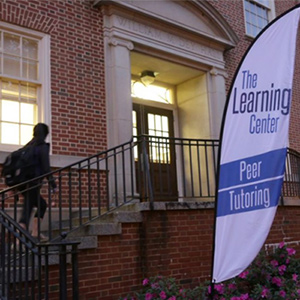
The Learning Center
The Learning Center serves undergraduates, graduate and professional students, faculty and staff of UNC-CH. Their goal is to help students learn more efficiently and perform better in their course work.

The Writing Center
The Writing Center is a free service available to students, faculty, and staff at UNC-Chapel Hill. Tutors are friendly graduate students from a variety of academic disciplines who are specially trained in teaching writing. The center offers both 45-minute face-to-face sessions and an online tutoring system that allows you to submit writing and receive feedback via the web.

Campus Health Services
Campus Health Services (CHS) offers quality medical care to the UNC student community at a very low cost. CHS offers wellness and preventative care, care for injury, acute or chronic medical conditions, consultation, and medical testing.

Counseling and Wellness Services
Psychological/counseling services include individual, couples, and group therapy, urgent consultation and crisis intervention, and medication evaluation/management. Wellness services provide education and health promotion programs in the areas of fitness and nutrition, alcohol and substance use, stress management, and sexual behavior.

Disability Services
To be eligible for services, students must provide medical documentation that provides information about a substantial limitation to one or more major life activities, specifically as it applies to meeting the demands of University life, in and/or out of the classroom.

Diversity and Multicultural Affairs
This department offers students opportunities to get involved in campus initiatives supporting diversity. Its mission is to build and sustain an inclusive campus community that values and respects all members of the University community.

International Student and Scholar Services
International Student and Scholar Services promote international educational exchange through its services and programs. It serves as the principal administrative, programming, and advising office for approximately 2500 international students, faculty, and academic staff at UNC-Chapel Hill.

Johnston Center for Undergraduate Excellence
Students come to the Johnston Center to learn about undergraduate research and Honors Study Abroad opportunities, to meet distinguished Carolina alumni and campus visitors, to participate in arts and cultural events, and to get to know their professors as scholars and people.

Carolina Leadership Development
Carolina Leadership Development offers a variety of services and programs for everyone interested in leadership at the University.

Lesbian, Gay, Bisexual, Transgender Office
The Lesbian, Gay, Bisexual, and Transgender (LGBT) Office works to create, maintain, and strengthen an open, safe, and inclusive environment for people of all sexualities and gender identities.

Office of the Dean of Students
Through the enforcement of University policies such as the Honor Code, the Racial Harassment Policy, the Sexual Harassment Policy, and the Student Alcohol Policy, the office serves to promote a positive learning environment in which students may achieve their full academic and personal potential.

Office of Scholarships and Student Aid
The mission of the Office of Scholarships and Student Aid is to ensure that qualified students have the opportunity to study at the University regardless of their ability to pay the full costs of attendance.

Office of Student Academic Counseling
The Office for Student Academic Counseling offers academic counseling and personal support for all UNC students. Historically, OSAC's primary objective has been to sponsor programs and activities that promote academic excellence, increase retention, and improve the campus climate for diversity among minority students in general and Native American and African American undergraduates in particular.

Housing and Residential Education
Within the Division of Student Affairs, the mission of the Department of Housing and Residential Education serves to provide campus housing to enhance the intellectual climate, inclusive environments that promote student learning and citizenship, and opportunities for involvement and leadership.

University Career Services
The mission of University Career Services is to provide progressive services and resources to help students choose and prepare for their careers, learn job search skills and find employment. Services include individual career advising; internship and employment assistance; workshops on job-seeking skills; resume mailing service to employers; on-campus interviewing; and online internship and job listings and occupational and employer information.


It Takes a University:
Retention Efforts across Campus

It truly takes a university to create conditions under which students successfully persist. At Carolina, there are many successful initiatives to improve retention and graduation rates among students. Below are just some of the programs in place. While these programs result in strong retention and graduation performance at the University, the primary purpose of these programs is to enhance the educational experience of all students at Carolina.

For further information contact
Cynthia Demetriou
Retention Coordinator
(919) 843-5015
303 Coates Bldg.
cyndem@email.unc.edu

The Office of Undergraduate Education
The Office of Undergraduate Education is the center of innovative learning activities for undergraduates. It coordinates a variety of services and programs, many of which contribute to retention, all of which are centered on the academic experience.

Summer Bridge
A rigorous, seven-week academic program, Summer Bridge at UNC-Chapel Hill provides top instructional and counseling staff to help its participants make the transition from high school to college. We target incoming freshman NC students from small/rural high schools that may lack AP or other college preparatory courses to take college-level English and math courses and attend workshops that acclimate them to UNC-Chapel Hill’s resources. Upon completion of Summer Bridge, students can earn up to 6.0 academic credit hours, and they face the Fall semester equipped with the successful academic strategies that Bridge models.

Carolina Covenant
The Carolina Covenant is a college financing commitment between the University of North Carolina at Chapel Hill and historically low-income youth throughout the state and nation. The Covenant pledges that the University will meet 100 percent of an admitted, eligible student's financial need with a combination of grants, scholarships, and a reasonable amount of Federal Work-Study. This combination of financial aid, together with the amount the family is expected to pay, will give students who qualify for the Covenant, and who work 10-12 hours per week in a work-study job, the opportunity to earn a baccalaureate degree at Carolina without having to borrow to meet their financial need. By making this Covenant, the University hopes to encourage youth from low-income families who want to attend Carolina to prepare academically for admission, knowing they can afford to attend.

Bounce Back Retention Program
Counseling and Wellness Services runs the Bounce Back Retention Program in cooperation with the Office of Undergrauate Education. It is a semester-long program in which students on academic probation meet weekly for an hour in a group led by a mental health professional and peer coach. The curriculum is unique in that it addresses two aspects of academic success. First, Bounce Back teaches academic related skills and second, it promotes resiliency traits. In creative and experiential ways, Bounce Back addresses study skills, test-taking strategies, learning styles, overcoming procrastination, time-management, emotion regulation, stress-management, persistence and self-understanding. The students benefit by getting the information as well as connecting with other students in a similar situation (thereby increasing their connection with the university). For more information on the Bounce Back Retention Program, please email Amy Schmitz-Sciborski, PhD at schmitzs@email.unc.edu

Academic Advising
Academic Advising and retention go hand-in-hand. Academic Advising in the General College and College of Arts and Sciences helps undergraduates with their academic planning and the development of educational and career plans that are compatible with their life goals.

New Student & Carolina Parent Programs
The mission of the Office of New Student & Carolina Parent Programs is to provide new undergraduate students the information and activities needed to transition smoothly to the University of North Carolina at Chapel Hill, and to promote an on-going relationship between the parents/families of all Carolina students and the University in support of their students’ success at Carolina.

Office for Student Academic Counseling
The Office for Student Academic Counseling (OSAC) offers academic and personal support to all UNC-Chapel Hill students. OSAC sponsors programs and activities that promote academic excellence, increase retention and improve the campus climate for diversity particularly among the first year American Indian and African American undergraduates.

Office of Institutional Research and Assessment
Year-to-year retention rates and four, five, and six year graduation rates of freshman cohorts from 1967 to the present. Promoting Success for Carolina's Undergraduates: Factors Related to Retention and Graduation - a report presented to: The Enrollment Policy Advisory Committee by The Retention Study Group in 2004

University Career Services
University Career Services supports retention efforts by working with students individually and in group settings to help them clarify their values, interests and skills in order to make decisions about majors and careers. UCS accomplishes this through a variety of resources, workshops, events and activities. eXplore is an on-line resource developed by UCS that provides information about UNC majors, career fields, and occupations.

Academic Services

Academic Support Program for Student Athletes
The Academic Support Program for Student Athletes, located in the Kenan Field House, assists the University's student athletes in reaching their academic goals. The staff provides academic counseling, a first year transition program, proactive monitoring, study skills development workshops, a tutoring program, and career counseling services.

The Learning Center
The Learning Center serves undergraduates, graduate and professional students, faculty and staff of UNC-CH. Their goal is to help students learn more efficiently and perform better in their course work.

The Academic Success Program for Students with LD/ADHD
A part of the Learning Center, this program provides accommodations and services for students with LD/ADHD. It works collaboratively with students to create innovative ways to overcome barriers caused by their disabilities so they can be successful in college (and in life) without lowering academic standards or goals.

The Writing Center
The Writing Center is a free service available to students, faculty, and staff at UNC-Chapel Hill. Tutors are friendly graduate students from a variety of academic disciplines who are specially trained in teaching writing. The center offers both 45-minute face-to-face sessions and an online tutoring system that allows you to submit writing and receive feedback via the web.

Diversity and Multicultural Affairs
Diversity and Multicultural Affairs contributes to student success by offering a variety of programs and services for ethnically diverse, low income and historically underserved student communities:

  • The Leadership Institute offers first, second, and third year undergraduate students opportunities for leadership development.
  • The Minority Student Recruitment Committee involves over 200 currently enrolled undergraduate students in recruitment programs and activities.
  • The Multicultural Council provides students leaders from multicultural student organizations opportunity to collaborate and exchange ideas in an effort to enhance Carolina’s cultural landscape.
  • The Duke Energy Bioscience Scholars program, a collaboration with the Office for Undergraduate Research and Office of Student Academic Counseling, offers high ability underrepresented students a pre-matriculation research experience.
  • Diversity education and training is provided to student organizations, groups and individuals who contribute to co-curricular programs exploring diversity.
  • The Diversity Incentive Fund provides support to student organizations who are involved in creating new opportunities for campus interaction through innovative diversity programs and activities.
  • Diversity and Multicultural Affairs staff provide informal advising, mentoring and counseling to assist students with a wide range of personal and educational issues.

These offerings promote student engagement in campus communities, support student connections to cultural identity, and encourage a sense of belonging to the greater Carolina campus.